








































The collegial model in organizational behaviour (OB) is a framework built on partnership and teamwork, where managers and employees collaborate as colleagues, fostering mutual respect and shared responsibility. Collegial is an adjective describing a work environment where responsibility and authority is shared equally by colleagues. This model encourages a sense of partnership, with managers acting as joint contributors and employees feeling a sense of fulfilment and responsibility, leading to self-discipline and moderate enthusiasm for high-quality work. Managers are called joint contributors because their role involves a blend of individual contributions (their own specific tasks, plans, and expertise) and the collective contribution of the teams they lead. They facilitate the work of others while also making individual, specialized contributions to the organization is an extension of the supportive model and works effectively in dynamic environments like a creative team.
Samsung has an organizational culture that emphasizes innovation through empowering employees and fostering teamwork. This collegial model utilizes flat hierarchies, shared decision-making, and cross-functional teams to promote collaboration and innovation. The collegial model in organizational behaviour focuses on promoting teamwork and a sense of shared responsibility among colleagues. Samsung incorporates several elements of this model into its operations. Samsung utilizes flatter organizational structures to encourage open communication and reduce status-based conflicts. Managers are encouraged to act as coaches or team members, promoting team performance and ensuring a positive, motivating work environment rather than a strictly hierarchical one.
Collegial models work the best in educational Institutions. Schools and colleges, particularly at the primary level or within specific departments like university faculties like faculty of science, faculty of commerce, management, law etc. They often adopt a collegial approach for policy and curriculum decisions.
Similarly in the non-profit organizations (NGOs) like Goonj, Nanhi Kali, CRY, and the Akshaya Patra Foundation, which rely on volunteerism and shared humanitarian goals, inherently leverage the self-actualization and teamwork principles of the collegial model to drive their initiatives. The most famous examples of universities that primarily use the collegial model of governance are the UK’s ancient institutions, the University of Oxford and the University of Cambridge.
Some of key principles of the collegial model are as follows:
Partnership:
The foundation is a partnership between employees and management, where everyone is a “colleague” working towards common goals. In the collegial model, partnership is the foundation where managers and employees work together as colleagues with a shared purpose. This approach emphasizes teamwork and mutual contribution, fostering a collaborative environment where responsibility and decision-making are shared, leading to greater employee motivation and commitment.
Teamwork:
A team-based approach is emphasized, with a focus on collaboration and shared responsibility. This model emphasizes collaboration, shared decision-making, and self-discipline over traditional hierarchical structures, motivating employees by meeting their psychological needs for self-actualization and contribution.
Mutual respect:
The model promotes a culture of mutual respect between managers and employees, breaking down traditional hierarchical barriers. Mutual respect is not merely an optional courtesy but a core, driving force for motivation and a strong, positive organizational culture. Without it, the model struggles to function effectively, as trust and open communication are essential for its success.
Managerial role:
Managers are seen as joint contributors and facilitators, focusing on guiding employees and promoting a sense of participation and cooperation.
Employee orientation:
Employees are oriented toward responsible behaviour and self-discipline, driven by an internal obligation to produce high-quality work.
Psychological result:
Employees experience a sense of fulfilment and self-actualization, which leads to moderate enthusiasm and commitment to the organization’s success. Psychology in organizational behaviour is the application of psychological principles to understand and improve the workplace. It studies how individual, group, and structural factors influence behaviour within organizations, focusing on areas like employee motivation, job satisfaction, productivity, and well-being.
Examples of organization using collegial model:
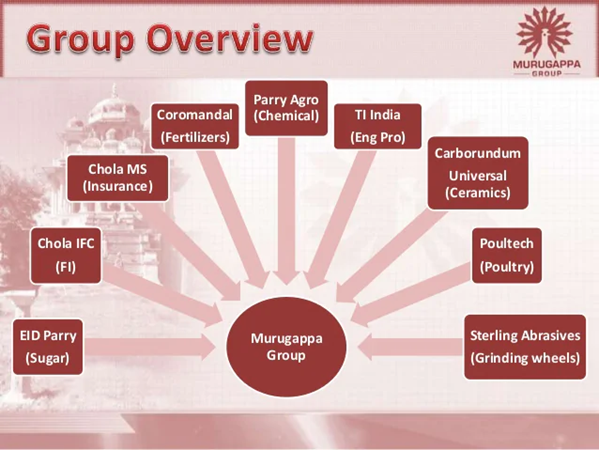
The Murugappa Group is a Chennai-based Indian conglomerate with diverse businesses in engineering, agriculture, financial services, and manufacturing. Founded in 1900, the group is one of India’s oldest business legacies and is managed by the Murugappa family, with prominent companies including Carborundum Universal, Cholamandalam Investment and Finance, Coromandel International, and Tube Investments of India. Its business interests span a wide range, from abrasives and auto components to bicycles, fertilizers, sugar, and tea. It is a family-promoted conglomerate with over 125 years of history; the Murugappa Group has grown from a banking and money lending business to a diversified industrial powerhouse. Murugappa group uses the collegial OB model.
Dabur India Ltd operates with a work environment and talent management practices that are described as fostering a culture of collegiality. This approach emphasizes teamwork, mutual trust, and a cohesive work environment rather than strictly following a formal, top-down “collegial model” as a rigid organizational structure. Dabur India Ltd. is a leading Indian multinational consumer goods company, founded in 1884, that specializes in Ayurvedic and natural healthcare products. Headquartered in Ghaziabad, it is one of the world’s largest Ayurvedic and natural healthcare companies and has a vast portfolio of over 250 products across hair care, oral care, health care, and foods. Dabur has a global presence in over 120 countries and is known for its flagship brands like Dabur, Vatika, Hajmola, and Real.