






























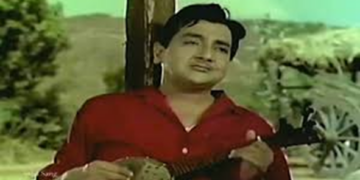





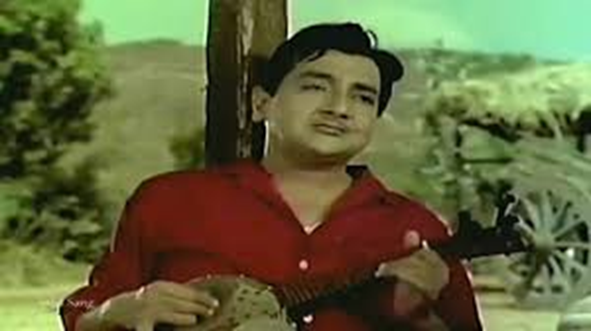
Pyaar Ka Mausam (1969) was an average film; it had some of the best songs like tum bin jaun kahan sung by Kishr and Mohammed Rafi, Na ja mere humdum, che khush Nazare, ni sultana re.. etc. Tum bin jaoon kahan was sung by both Rafi and Kishore. Rafi sang the same song twice for the protagonist of the movie played by Shashi Kapoor, once with mandolin and once on piano. And Kishore sang for Bharat Bhushan, the protagonist’s father played by Bharat Bhushan. Composer, R. D. Burman got the best from both Rafi and Kishore. As I recall, Kishore Kumar version picturised on Bharat Bhushan in open area had become more popular with the public. Yodelling rendered by Kishore as the interlude captivated the audience. Actor Bharat Bhushan proved lucky in bagging a hit song. The initial yodelling of Kishor in high pitch for this song is called falsetto.
Falsetto is a vocal reach, or a way of singing, that allows singers to reach notes higher than their normal voice, characterized by a light, airy, and often breathy sound. Falsetto comes from the Italian word “falso” meaning “false,” refers to a vocal technique that produces a high-pitched voice, often associated with male singers, but can be used by both genders. Falsetto has a long history in music, particularly in operas, and has been used widely in popular music by various singers.
Falsetto is often associated with its flexibility and unique tonal qualities, yet its place in Indian classical music remains disputed. Exploring its historical applications, modern adaptations, and the cultural conversations surrounding it can offer valuable insights into this intriguing vocal technique.
Tum bin jaun kahan song became famous for its all four versions sung by Rafi and Kishore – once happy and once sad. Though R.D’s composition was brilliant, the song was recorded at a bit too faster a tempo disallowing much allowance to Rafi to give expressions with his signature glissando which means a continuous slide upwards or downwards between two notes. Initially, when the film was released, Rafi’s versions were more popular than Kishore’s version. Later, Kishor’s version drew more attention from public.
In my opinion, two songs by Lata Mangeshkar in falsetto are very popular: palbhar me ye kya ho gaya from film Swami, aa jane jaan from film Intaquam. Similarly, Asha has sung many songs in falsetto style. Dum maro dum from Hare Krishna Hare Ram and Aayiye meherban from film Howra Bridge.
Falsetto is good for building excitement that builds up in the audience when singers hit those high notes. Falsetto shows a singer’s ability to hit those tricky high notes with accuracy and control. It’s a display of their skill and mastery over their voice. Falsetto adds a unique emotional quality to a performance. It can convey vulnerability, intensity, or a heightened sense of emotion that’s not easily achieved in other vocal styles.

