






































The best way to define collaboration is to outline it as the process of two or more people or organizations working together to complete a task or achieve a goal. Collaboration is a working practice whereby individuals work together for a common purpose to achieve business benefit.
Joint ventures are a type of collaboration, where two or more companies pool resources and expertise to achieve a specific goal, often forming a separate legal entity to manage the joint undertaking. Joint ventures involve the pooling of resources, expertise, and technology by the participating parties. They are typically formed to achieve a particular objective, which could be a one-off project or an ongoing task. Joint ventures often involve the creation of a new legal entity to manage the joint undertaking. For example, Maruti – Suzuki. A well-known example of a joint venture between the Government of India and Suzuki Motor Corporation (Japan), formed in 1981 and now known as Maruti Suzuki India. Suzuki Motor Corporation owns 56.2% equity in the company. In the financial year 2023-24, Maruti Suzuki India’s net sales reached ₹1,349,378 million, with a net profit of ₹132,094 million. They currently offer 18 models in India, sold through NEXA, ARENA, and commercial retail channels.
Maruti Suzuki’s core competencies lie in its ability to deliver affordable, reliable, and fuel-efficient small cars, coupled with a strong focus on customer satisfaction and a vast network for sales and service.
In collaborations which are also called strategic alliance. A strategic alliance is an arrangement between two companies to undertake a mutually beneficial project while each retains its independence. The participating entities share the risks, rewards, and responsibilities according to the terms outlined in a joint venture agreement. Joint ventures are often used as strategic alliances for market entry into new territories or undertaking large-scale projects.
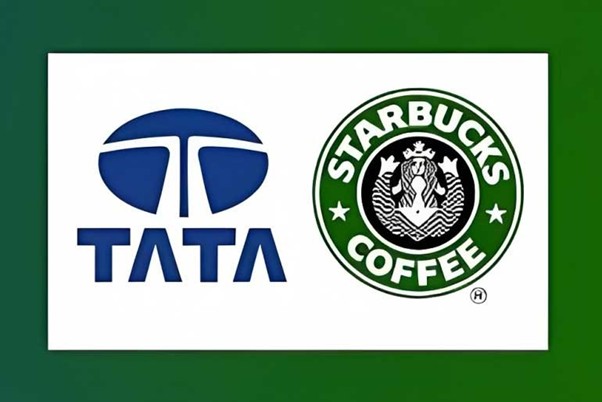
Tata Starbucks Private Limited, formerly known as Tata Starbucks Ltd, is a 50:50 joint venture company, owned by Tata Consumer Products and Starbucks Corporation, that owns and manages Starbucks outlets in India. The outlets are branded Starbucks “A Tata Alliance”. India. As of 2023, Tata Starbucks operates over 300 stores across the country, offering an extensive range of coffee beverages tailored for Indian preferences. The joint venture created a strong brand recognition and a loyal customer base, store expansions in metro cities and tier-2 locations with localization of menu items to appeal to Indian tastes.
Licensing in business collaboration that involves one entity (the licensor) granting another (the licensee) the right to use their intellectual property like trademarks, patents, or technology under specific terms, enabling the licensee to leverage that Intellectual Property for their own business purposes.
Licensing partnerships offer partners access to established brands or technologies, enabling them to enhance their offerings or enter new markets without developing these assets from scratch. And the licensor benefits from additional revenue through licensing fees or royalties, while also extending their brand reach.
One real-practical example of a brand licensing deal is Barbie. The global brand is known all over the world and has licensing deals with all kinds of businesses, retailers included. One such retailer is Shopify merchant and the Oodie, which sells limited edition Barbie products.
Netflix’s success in India, including successful licensing of content which stems from investing in local content, securing exclusive streaming rights, and adapting to the Indian market with diverse offerings, including regional content and tiered subscription plans. Netflix partners with content and studio providers to license rights for other titles. These titles may only be available in certain countries or for a limited time. The Indian subsidiary of subscription-based US streaming services company Netflix reported a net profit of Rs 52 crore for the last fiscal year.
Collaborating with global partners helps in mitigating risks associated with market entry, expansion or innovation initiatives. By sharing responsibilities and resources with trusted partners, businesses can more effectively navigate challenges, uncertainties and geopolitical complexities.
Franchising is also a business collaboration which inherently involves collaboration between a franchisor (the original business) and franchisees (those who operate under the brand’s name). This partnership allows for brand expansion and shared resources and expertise. This relationship is built on cooperation, where both parties work together to achieve shared goals, such as brand consistency, customer satisfaction, and business growth, new products etc. The franchisor provides the brand, systems, training, and support to the franchisee, while the franchisee operates the business according to the franchisor’s guidelines.
To open a McDonald’s franchise, one needs significant capital, experience in the food service industry, and a willingness to follow the McDonald’s system, with initial investments potentially exceeding $1 million. The cost to open a McDonald’s franchise in India can range from ₹6.6 crores to ₹16 crores, depending on factors like location, size, and restaurant format, with an average franchise fee of ₹25-30 lakhs.

Starting a KFC franchise in India requires a substantial investment, typically ranging from ₹1 crore to ₹2 crore, covering licensing fees, infrastructure, equipment, and initial working capital. The estimated start-up cost can range from ₹ 96 lakhs to ₹ 2 crores. Also, ₹ 36 lakhs are required as a franchise fee to become a KFC franchise owner in India. Franchising is a viable and increasingly popular collaborative model in India, offering benefits like brand recognition, established business models, and ongoing support, contributing to economic growth and employment.
Among retail brands Adidas, a global leader in sportswear, and Allbirds, came together for its sustainable footwear, came together to design a shoe with an exceptionally low carbon footprint.
The first Futurecraft Footprint sneakers were considered the most sustainable in the world and took the fashion world by storm. While an average pair of Adidas sneakers has an average carbon footprint of 10 kg and 15 kg, the new shoes had a lower footprint of only 2.94 kg of CO2 emissions per pair. Both Adidas and Allbirds were aligned in their commitment to sustainability. While both brands approached shoemaking differently, their combined efforts were rooted in reducing environmental impact. Adidas brought decades of sportswear design experience to the collaboration, while Allbirds contributed its unique knowledge of sustainable materials and production methods.
Conclusions
Business collaboration can work well, leading to increased innovation, productivity, and employee satisfaction, but requires clear communication, trust, and the right tools to be effective.

