


































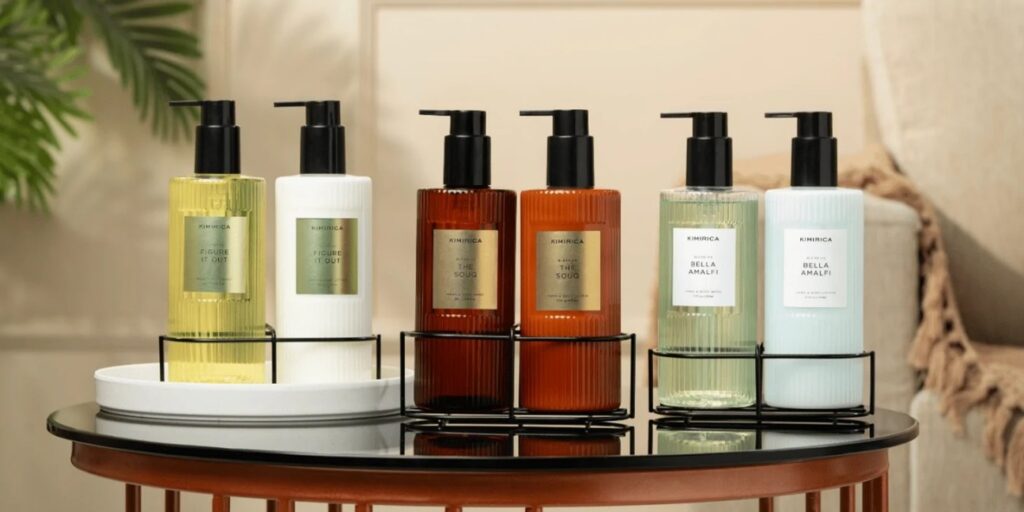
Olfactory Marketing (or Olfactory Branding) is the strategic use of fragrance to define and enhance the identity of a space such as a hotel, home, restaurant, banquet hall, theatre, clinic, or retail store. It is an immersive and multisensory marketing approach, where brands create deeper connections with consumers by engaging the five human senses—sight, sound, smell, touch, and taste. Among these, smell is the most direct pathway to the human psyche, as it is closely linked to memory and emotion.
A carefully designed fragrance can bypass rational thinking and act as a powerful emotional language, instantly triggering feelings, associations, and memories. Because of this unique ability, olfactory cues can strongly influence perception, mood, and behaviour. Olfactory branding harnesses the emotional weight of scent to communicate a brand’s personality and values, making the brand identity more memorable, enchanting, credible, and persuasive. When used effectively, it transforms ordinary spaces into distinctive experiences that customers subconsciously recognize and trust.
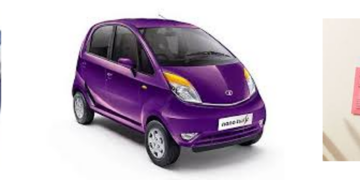
The aroma of freshly baked cookies is a classic example of scent marketing in a bakery or restaurant, while floral fragrances are commonly used in women-oriented service environments such as salons, spas, and clothing stores. Hotels strategically diffuse different aromas in various areas to create a sense of luxury and relaxation, improve guests’ comfort, and motivate them to return. New cars are also associated with a distinctive “brand-new” smell. Dealerships and manufacturers use artificial, long-lasting fragrances so that buyers can experience this sensation when purchasing a vehicle. The brand Rolls-Royce owes part of its success to the introduction of a signature fragrance in the Silver Cloud model in 1965, which is still sprayed under the seats today to recreate the original aroma and convey a sense of luxury to drivers. Similarly, in-store aromas at Café Coffee Day and the world’s first registered smell trademark for rose-scented tyres demonstrate how scent is used as a branding tool. These methods aim to evoke nostalgia, enhance premium experiences, and create immediate, Pavlovian emotional responses to products.
While visual merchandising primarily appeals to the sense of sight through elements such as colour, lighting, and spatial layout, integrating scent (olfactory merchandising) significantly enhances the retail atmosphere, influences consumer behaviour, and strengthens brand identity. Scent directly interacts with the limbic system; the part of the brain responsible for emotions and memory making it a powerful subconscious driver of shopper responses.
Increased dwell time
Pleasant, mild, and relaxing fragrances such as lavender, vanilla, or citrus encourage customers to remain in the store longer. A well-calibrated aroma can elevate mood and shopping enjoyment, with several studies suggesting that scent marketing can increase impulse buying by up to 40%.
Reduced anxiety
Calming scents help create a comfortable shopping environment, lowering stress levels and motivating customers to explore the store more freely. Perhaps one of the best examples of marketing scents whether the mark is Starbucks, which aromatizes its cafes with the aroma of freshly brewed coffee to the people passing outside what they perceive and feel the urge to go for a coffee and to live the experience of the brand.
Choosing the right business aroma requires aligning scent with brand identity
It’s for target audience, and desired emotional response to create a memorable customer experience. Key steps include defining the intended mood. The business must determine how they want customers to feel e.g., relaxed, energized, luxurious, or nostalgic. This scent becomes a non-verbal communicator, a sensory logo that evokes emotion, communicates quality, and strengthens brand loyalty. For example: A wellness brand might lean into herbal, spa-like aromas to promote tranquillity. A luxury retailer might use warm, musky notes that evoke exclusivity and sophistication.
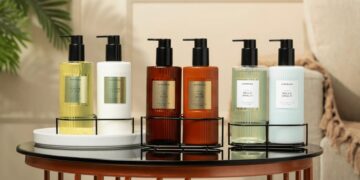
Five-star hotel brands use olfactory marketing to create a lasting, emotional, and memorable brand identity, often boosting guest loyalty and enabling higher perceived value. They deploy custom, branded scents through HVAC (heating, ventilator and air-conditioning) systems in lobbies, spas, and corridors, designed to evoke specific emotions such as relaxation or energy and enhance the overall sensory experience. Hotels curate unique fragrances that align with their brand identity (e.g., modern, luxurious, or tranquil). Examples include: Taj, Westin, Sheraton, Leela, they use a white tea and cedar scent for a refreshing, calming, and consistent brand experience globally. Westin uses “Bliss,” a citrusy, energetic, and modern scent to match their, high-energy, boutique, “always-on” brand. Sheraton uses bergamot, jasmine, and freesia to foster a calm and relaxing environment. Bulgari Hotels & Resorts uses a specialized green tea fragrance for a healing, luxurious atmosphere.
Restrooms maintain with consistent, high-quality, and often, automated scent systems to maintain a high-end feel throughout the property. Consistent Brand Experience: Brands use technology to ensure a uniform scent experience across all locations, reinforcing, and extending, the brand, and encouraging, return, visits. A luxury brand might use rose or jasmine , while a youthful brand might prefer fruity scents.
Conclusion
Olfactory marketing, or scent marketing, has indeed become a common and highly effective strategy across various industries to boost brand recognition, enhance customer experience, and drive sales. It’s become a strategic tool in modern movie theatres, flights, trains to enhance the audience experience, and create memorable brand associations. While popcorn scent is the most classic example, theatres now use advanced technology for broader, more immersive scent strategies. By leveraging the fact that the sense of smell is closely linked to the brain’s limbic system which manages emotion and memory. Brands use tailored fragrances to create lasting impressions.

